How to Find, Test, and Mix Bricks Compatible With LEGO
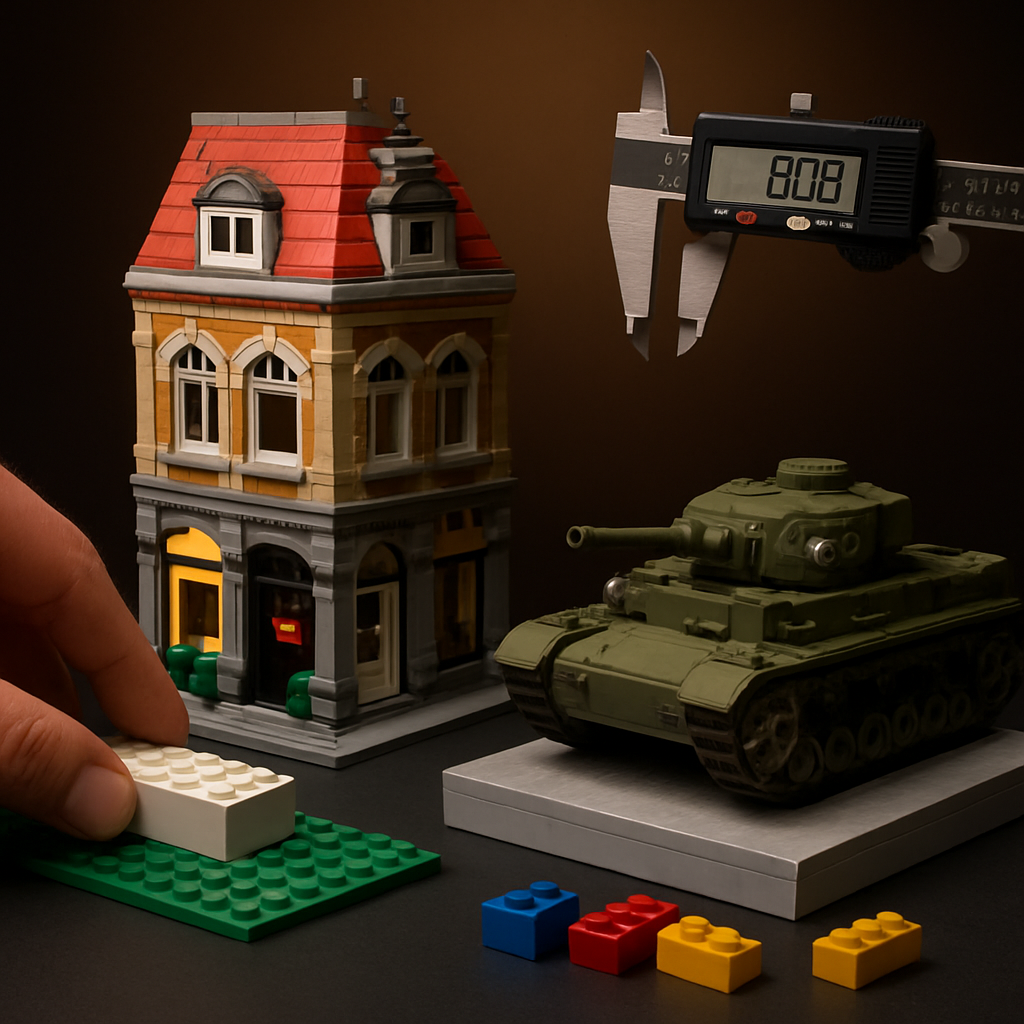
Mixing brands in a single build sounds risky. It'isn"t — if you know what to check. The right off-brand pieces snap together with your existing collection, hold tight, and look seamless on the shelf. This guide shows you a repeatable system for buying and mixing bricks compatible with LEGO without clutch-power problems or color mismatches.
Why Compatibility Actually Matters
Not all bricks are built to the same spec. A piece that is even a fraction of a millimeter off can feel loose, pop apart under weight, or refuse to seat properly. For builders, that translates to three real headaches.
Loose bricks collapse on large models and sag on display stands over time.
Tight-fit parts from over-tolerance bricks crack plastic and leave visible white marks.
Two brands calling the same color by the same name can look different under light.
The good news: most reputable alternative brands now hold tolerances close enough to mix freely. Compatibility'isn"t luck — it's a measurable standard you can check before you buy.
The Stud Standard: What "Compatible" Really Means
Every interlocking brick system traces back to the same basic geometry. The classic measurement is the 8mm stud spacing — the distance from the center of one stud to the next. This is the number that makes cross-brand building possible.
Key Tolerance Numbers
| Measurement | Standard Value | Tolerance Window |
|---|---|---|
| Stud spacing | 8.0mm center to center | ±0.1mm |
| Stud diameter | ~4.8mm | ±0.05mm |
| Clutch power | Firm but removable | 4.0 – 4.5 lbs pull |
Clutch power is the friction between a stud and the tube or wall it slots into. Too little, and your model sags. Too much, and small hands cannot pull parts apart. Premium lego compatible blocks are tuned for that middle zone. Browse kit specs at Morebybourn to see compatibility details for each set.
How to Test Fit Before You Commit
Specs on a page are useful. A hands-on test is better. Here is a quick process to vet any new brick batch before you trust it in a major build.
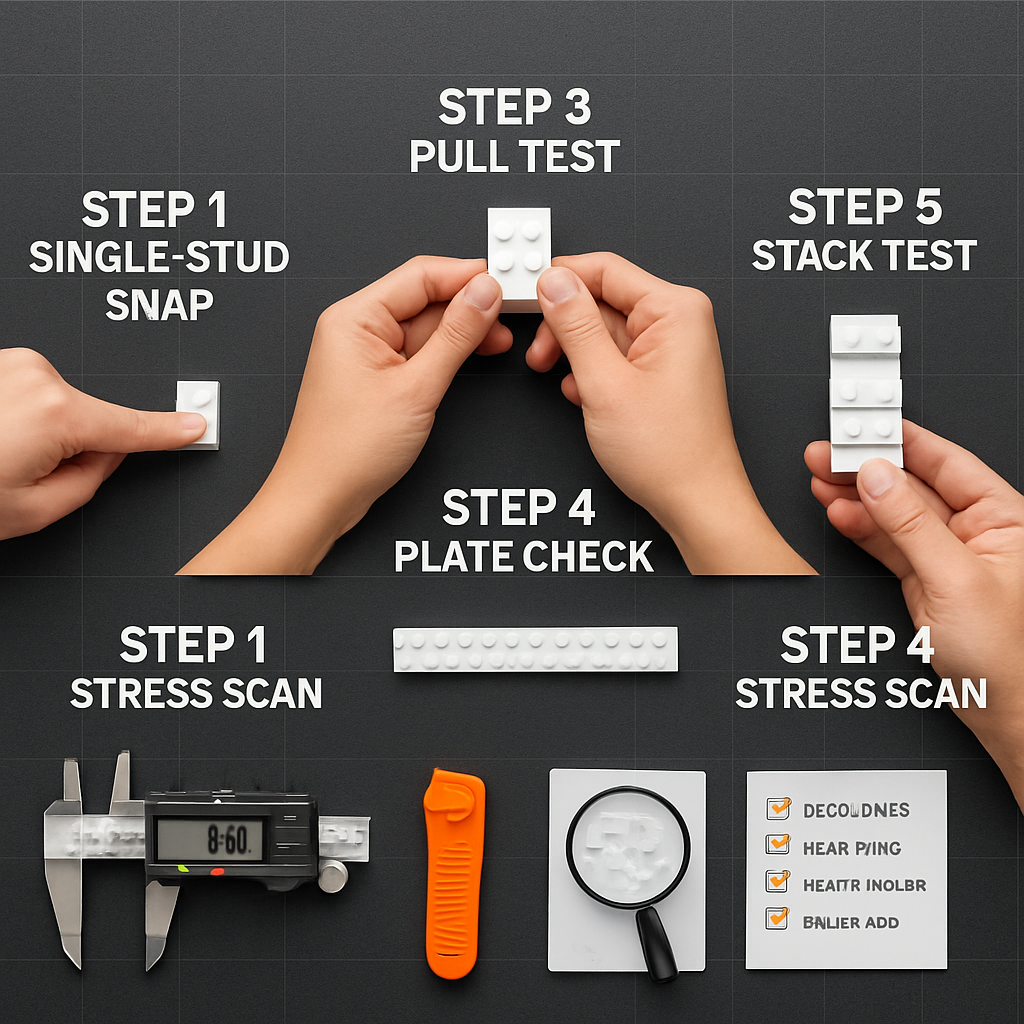
The 5-Minute Fit Test
Press one new brick onto one existing brick. It should seat with a soft, definite click — no wobble, no fighting.
Pull them apart. You want resistance, then a clean release. If it falls off on its own, clutch power is too weak.
Build a 4-brick tower mixing both brands. Lift it by the top brick. A solid tower holds together; a weak one separates.
Plates are thinner and less forgiving. Snap a new plate between two existing bricks. Watch for gaps or lift at the edges.
Inspect tight connections for white stress marks. A little is normal; cracking means the tolerance is off.
Top Compatible Brands Compared
The alternative-brick market has matured fast. Several brands now deliver fit and finish that rival the original. Here is how the major players stack up for mixing.
- +Strong clutch power for large architecture
- +Wide part libraries that fill collection gaps
- +Display-grade finishes for shelf pieces
- +Hits standard 8mm grid — standard bricks mix freely
- +Slightly firmer clutch tuning
- +Specialty parts (tank treads, panels) stay within COBI ecosystem
- +Lower price per piece for big bins
- +Standard compatibility for everyday play
- +Looser tolerances on budget lines — test before load-bearing use
The short answer is yes, with a caveat. COBI bricks hit the standard 8mm grid, so they connect with mainstream systems. However, COBI uses its own clutch tuning — often slightly firmer — and many specialty pieces (tank treads, aircraft canopies, printed armor panels) are designed for its own sets.
You can mix the standard bricks freely. Expect the unique parts to stay within the COBI ecosystem. That makes COBI excellent for historical and military builders who want detail, while still letting you fold standard bricks into a wider collection.
Smart Strategies for Mixing Brands
Finding compatible bricks is step one. Mixing them well is the craft. Here is how to blend brands so the seams disappear.
- +Buy a swatch first — check color in person
- +Group by visible surface; hide mismatches inside
- +Watch finish: matte and glossy reflect light differently
- +Bulk and structure: affordable bricks for the hidden core
- +Specialty pieces: fill gaps your main collection lacks
- +Minifigure accessories: expand play without affecting structure
- +Build a 10x10 module before committing to a 2,000-piece build
- +Tests fit, color, and clutch power in one pass
- +One hour of testing saves hours of rebuilding
Common Mistakes to Avoid
"Compatible" on a box is not a guarantee. Run the fit test.
Thin parts expose tolerance problems faster than standard bricks.
Photos lie. Always check color in hand for display builds.
Budget bricks can hold play models but may sag under display weight.
If a piece fights hard going on, stop. Forcing causes cracks and stress marks.
Tips for Collectors and Parents
- +Prioritize tolerance over price — display pieces need rock-solid connections
- +Stick to one or two trusted brands per model for consistent color and finish
- +Document your sources — note which brand supplied which color for future repairs
- +Store spares — keep a small stock of matched bricks for fixes and expansions
- +Check age ratings and safety marks before buying any brand for younger kids
- +Choose firm-but-removable clutch power — parts should hold yet pull apart easily
- +Mix bulk bricks for free play — open-ended building thrives on big, affordable bins
- +Lean into STEM — mixed-brand building teaches spatial reasoning and problem-solving
A Simple Workflow to Put It All Together
Confirm 8mm stud spacing and a tight tolerance claim on the product listing.
Buy a small set or loose bricks before committing to a large purchase.
Snap, pull, stack, plate-check, and stress-scan with your existing collection.
Match visible surfaces; hide any color mismatch inside the structure.
Test a 10x10 section before scaling up to the full model.
Mix freely once a brand passes your test — your collection possibilities open right up.
- +The 8mm stud grid is the universal compatibility standard — confirm it before buying
- +Clutch power (not just fit) is the real quality signal for bricks compatible with LEGO
- +The 5-minute fit test confirms compatibility before any major build commitment
- +COBI bricks are compatible on the standard grid; specialty pieces stay within their ecosystem
- +Match colors by swatch; use mismatched bricks inside the structure, not on visible surfaces
- +A hybrid test module is the fastest way to validate a new brand at scale
Browse our certified range of building blocks compatible with LEGO — fast US & EU shipping, ASTM F963 and EN71 compliant.
Frequently Asked Questions
Are bricks from other brands really compatible with LEGO sets?+
Most quality alternative brands are. Compatibility comes down to the 8mm stud spacing and tight manufacturing tolerances (within about ±0.1mm). Brands that hit those numbers connect cleanly with mainstream sets. Always run a quick fit test on a new brand before using it in a major build.
Are COBI bricks compatible with LEGO?+
Yes. COBI bricks use the standard 8mm grid, so their basic bricks connect with mainstream systems. The clutch power runs slightly firmer, and many COBI specialty pieces — like tank treads and printed panels — are designed for COBI's own sets. You can mix the standard bricks freely, but expect the unique parts to stay within the COBI range.
How can I tell if lego compatible blocks are good quality before buying?+
Check three things. First, look for a stated tolerance close to ±0.1mm. Second, read reviews that mention clutch power and stress marks. Third, order a small sample and run a fit test — snap, pull, and stack the bricks with your existing collection. Quality pieces seat with a firm click and hold under weight.
Will mixing brands damage my existing bricks?+
Not if the new bricks meet standard tolerances. Damage usually comes from forcing parts that are slightly oversized. If a brick fights hard going on, stop and check the fit rather than pushing through. Properly toleranced parts snap together without stress marks or cracking.
Can I mix brands on a display model without it looking off?+
Yes, with a little planning. Match colors by ordering swatches first, since 'dark gray' can vary between brands. Use matched bricks on visible surfaces and hide any mismatches inside the structure. Sticking to one or two trusted brands per model keeps color and finish consistent.