How to Mix LEGO Alternatives: A Practical Compatibility Guide for Builders
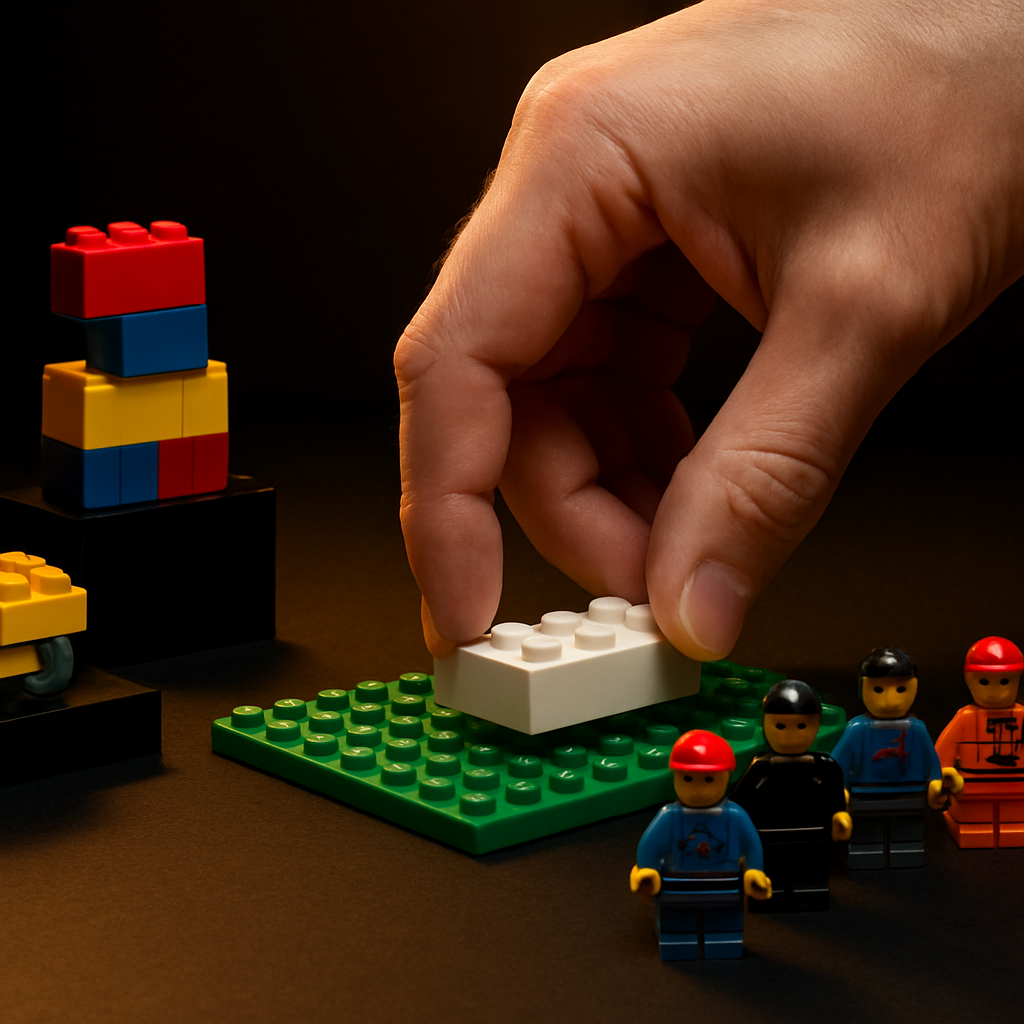
Mixing brands is one of the smartest ways to expand your collection without overspending. But not every brick clicks the same way. Some snap tight. Some sit loose. Some look right but feel wrong. This guide shows you how to test, mix, and choose compatible bricks the right way — answering whether are mega blocks compatible with lego, whether lego compatible minifigures truly fit, and whether is mould king compatible with lego for your next big build.
Why Brick Compatibility Actually Matters
Compatibility decides whether two bricks lock together and stay locked. Get it wrong and your model wobbles, gaps appear, or pieces pop off mid-build. Most LEGO alternatives use the same basic stud size — roughly 4.8mm. That standard is what makes cross-brand building possible. But size alone does not guarantee a clean fit.
Morebybourn builds with precision-molded ABS bricks that hold tolerance tight, ensuring consistent clutch across every set for cross-brand use.
Step 1: Understand the Compatibility Standard
The "stud-and-tube" system is the heart of every compatible brick. Studs are the bumps on top. Tubes are the hollow cylinders underneath. When a brick presses onto studs, the tubes grip them — that grip is clutch power.
| Dimension | Value | Why It Matters |
|---|---|---|
| Stud diameter | 4.8mm | Governs tube grip — too wide or narrow kills clutch |
| Stud spacing | 8mm center-to-center | Sets grid alignment across brands |
| Brick height (standard) | 9.6mm | Keeps layers level in mixed-brand builds |
| Plate height | 3.2mm | 3 plates = 1 brick — must be consistent |
| Material | Virgin ABS preferred | Holds shape; recycled blends warp over time |
Step 2: How to Test Brick Compatibility at Home
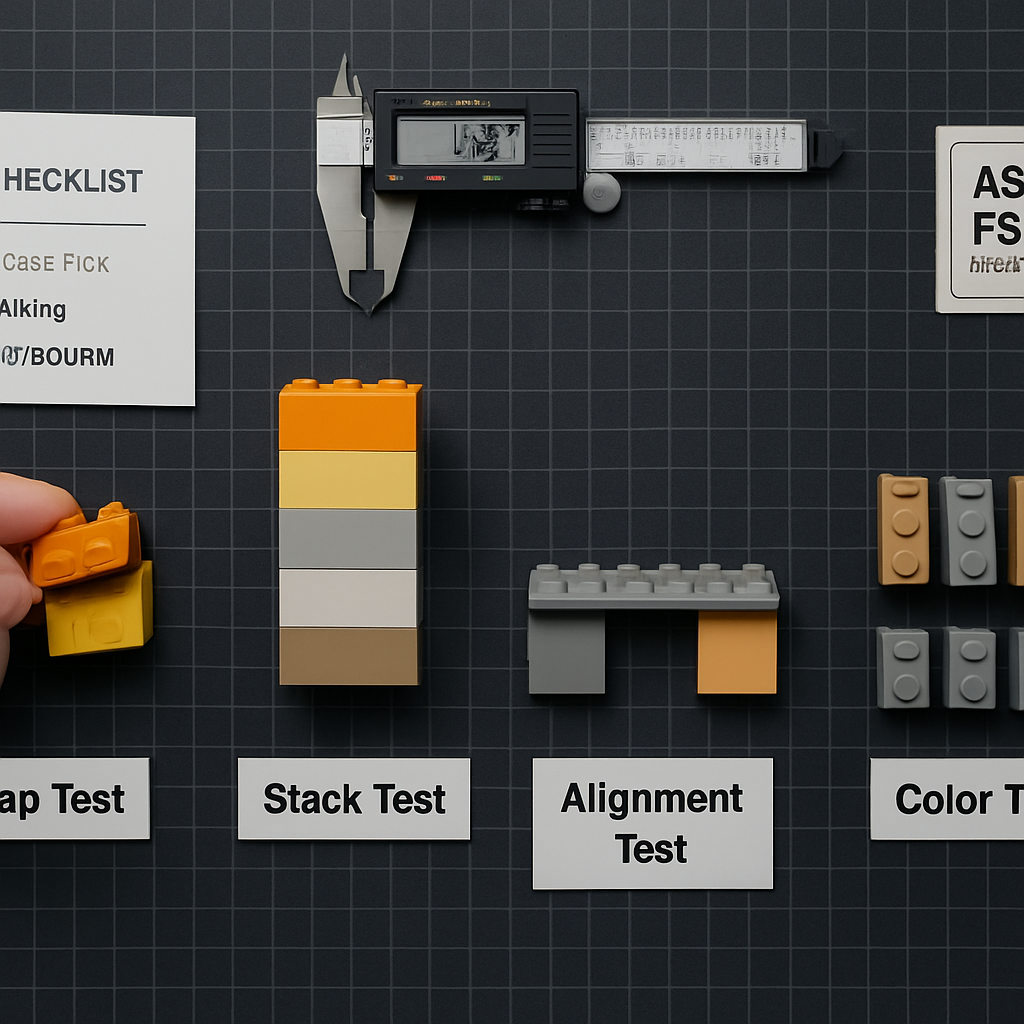
Press two bricks from each brand together firmly, then pull apart. You want a clear click going on and gentle resistance coming off. Too easy = loose clutch. Won't budge = too tight.
Build a four-to-six brick tower alternating brands. Lift by the top brick. If the tower holds, clutch is solid. Separation or sagging means weak fit.
Lay a flat plate across bricks from two brands side by side. Check for gaps. Compatible bricks line up clean — uneven heights signal off-spec dimensions.
Place same-color bricks from each brand together under good light. A brand might fit perfectly but clash visually. Test color matches before committing to a big mixed build.
Step 3: How to Mix Brands the Right Way
Mixing works when you plan it. Random combining leads to weak spots and visual clutter.
Use your strongest-clutch brand for the core structure. Foundations, support walls, and load-bearing sections need the tightest grip. Save looser-fitting brands for decorative areas.
Many builders ask: are mega blocks compatible with lego? For standard pieces, the answer is mostly yes — the stud system matches. Mega bricks work well for bulk and background sections. Reserve tighter brands for visible detail.
Mixing brands unlocks colors one brand might not offer. Need a specific shade for a custom build? Source it from whichever brand makes it best. Test the color match first.
Set aside a small bin of sample bricks from each brand. Before any big mixed build, snap-test the combos you plan to use. This five-minute habit saves hours of teardown.
For builders who mix often, starting with a reliable base brand helps. The Morebybourn building sets work as a dependable core you can extend with parts from other brands.
Step 4: How to Find LEGO Compatible Minifigures
Figures are where compatibility gets tricky. Bodies, heads, and accessories all need to interlock. Quality lego compatible minifigures match all five connection points to the standard.
Swap a helmet from one brand onto a body from another. Clip a tool into the hand. If parts transfer cleanly, you have true compatibility.
Most figures follow the same scale. Some brands run slightly taller. Stand figures side by side before mixing them in one display scene.
Compatible does not mean identical quality. Check face prints, torso designs, and color sharpness. Faded prints signal a budget figure.
Step 5: How to Evaluate Specific LEGO Alternative Brands
Not all alternatives perform equally. Here is how to judge any brand fast.
A frequent question: is mould king compatible with lego? Yes — Mould King uses the standard stud system, so its bricks snap onto LEGO and other compatible sets. The brand is known for large technic-style builds and motorized kits. Clutch power is generally solid. Inspect specialty and gear pieces closely, since these vary more than standard bricks.
- +Read the dimensions: confirm 4.8mm studs and 8mm spacing
- +Check material claims: look for ABS, not generic plastic
- +Scan reviews: search for clutch and color complaints
- +Test a small set first before committing to a series
- +Verify part replacement: good brands replace missing pieces free
- -Vague material descriptions with no ABS specification
- -No compatibility statement or stud dimension data
- -Reports of warping or fading in community reviews
- -Inconsistent color batches across the same series
- -No customer support or replacement policy listed
Step 6: How to Choose Morebybourn for Reliable Compatibility
Consistent molding means consistent clutch. Bricks from one set fit bricks from another. No surprises mid-build.
Morebybourn follows the universal stud system. Its bricks and figures interlock with LEGO and other compatible brands, so you can extend builds freely.
Premium ABS resists warping and fading. Colors stay accurate. Bricks hold tight for years.
Missing or broken piece? It gets replaced free. That policy keeps your builds complete.
To compare parts and see compatibility details firsthand, visit the Morebybourn collection and start with a single set. You can also explore our brand comparison guide or browse all Lego Compatible Bricks articles.
Step 7: Build Your First Mixed-Brand Project
Decide what you are making. Sketch it or pull up a digital reference. Note which sections need strength and which need detail.
Group your bricks. Set strong-clutch pieces aside for structure. Keep decorative bricks separate. Sort figures and accessories into their own tray.
Start with your strongest brand for the foundation. Press firmly. Check alignment as you go. A solid base supports everything above.
Add decorative bricks from other brands once the structure is set. Test each connection. If a brick feels loose, swap it for a tighter-clutch piece.
Place your compatible figures last. Mix and match parts for custom characters. Position them for display or play.
Lift it gently. Check for loose sections. Look for color clashes under good light. Fix any weak spots before displaying.
Common Compatibility Mistakes to Avoid
Key Takeaways
- 1.Learn the standard: 4.8mm studs, 8mm spacing — the universal fit that makes cross-brand building possible.
- 2.Test before you trust: snap, stack, align, and color-check every brand with multiple sample pieces.
- 3.Mix with a plan: strong clutch for structure, looser brands for decorative detail work.
- 4.Check figure connection points: all five must match for true minifigure compatibility.
- 5.Choose transparent brands: clear specs and replacement policies signal quality and reliability.
Ready to Start Your Mixed-Brand Build?
Pick a reliable base set from Morebybourn, run your four compatibility tests, and build your first mixed-brand masterpiece with certified ABS bricks shipped free to the US and EU.