How to Mix and Match Building Bricks: A Complete Guide to LEGO-Compatible Sets
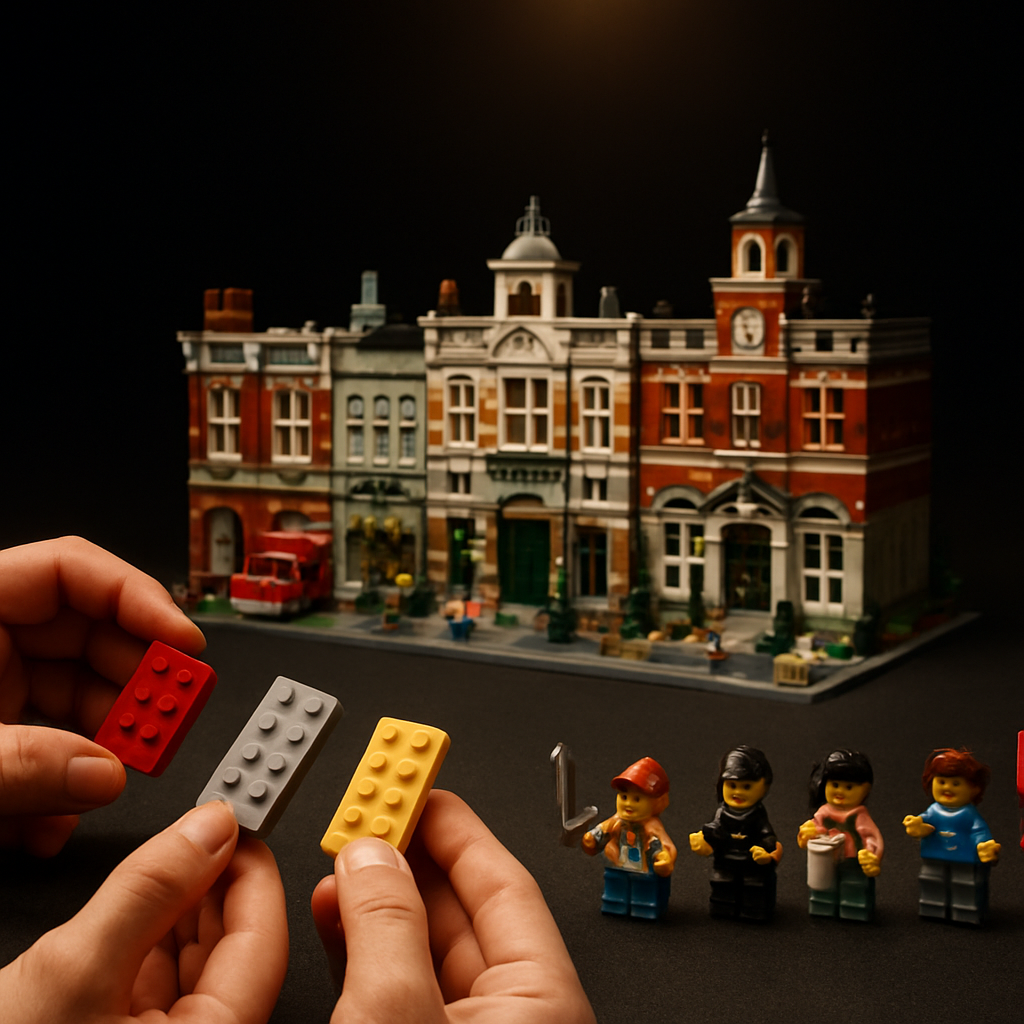
Mixing brick brands opens up huge creative freedom. You can stretch your budget, find rare parts, and build models that no single set offers. But it only works if the bricks fit together properly. This guide shows you how to combine building blocks the right way — how compatibility works, how to test bricks before you buy, and how to pick accessory LEGO compatible parts that snap on without trouble.
Understanding How Brick Compatibility Works
All plastic bricks look similar. They are not all the same. The difference comes down to one number: a stud diameter of about 4.8mm, spaced 8mm apart. This measurement is the reason most bricks click together. When a brand follows it, their parts are compatible with LEGO and with each other.
How tightly bricks grip each other. Strong clutch = structural stability across many rebuilds.
Quality ABS holds shape far better than cheaper plastic blends. Tap two bricks — solid click = quality.
How precise the molding is. Tight tolerances = consistent fit. Loose tolerances = wobbly joints.
Quality brands like Morebybourn use tight-tolerance ABS so parts hold firm across many rebuilds. Explore the full range at Morebybourn.
Are Mega Bloks Compatible with LEGO?
This is one of the most common questions builders ask. The short answer: it depends on the line. Are Mega Bloks compatible with LEGO? The standard Mega Bloks bricks use the same stud size, so they will physically connect. But there are catches.
| Scenario | Mega Bloks Standard | Verdict |
|---|---|---|
| Basic 2x4 stud connection | Shares 4.8mm stud size | Connects |
| Clutch feel | Can feel looser or tighter than standard | Test first |
| Large preschool Maxi blocks | Different scale for toddlers | Does NOT fit |
| Specialty parts (hinges, clips) | Vary by set generation | Test each part |
| Detailed/technical parts | Tolerance drift between product lines | May not fit |
How to Test Brick Compatibility Before You Buy
You do not need to gamble. A few quick checks tell you whether bricks will work together.
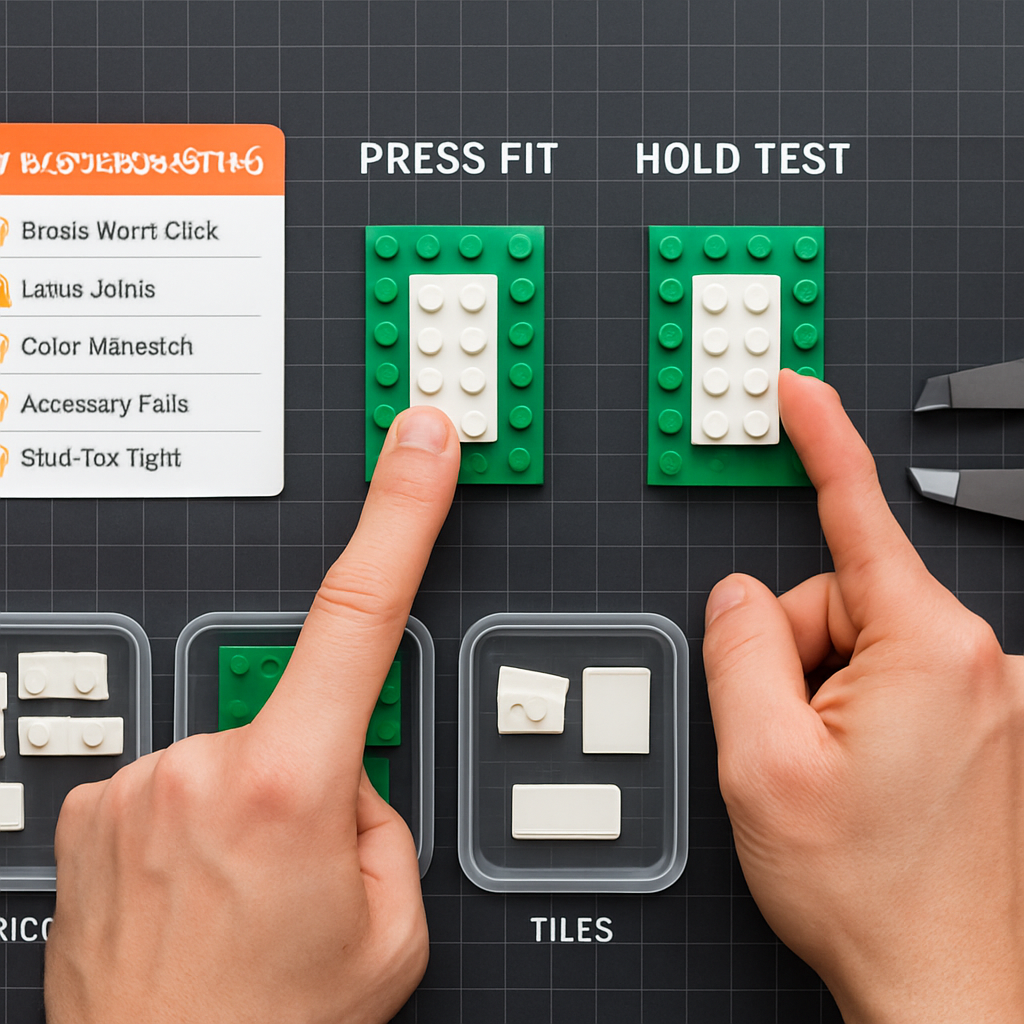
Push two bricks together. They should click with light, even pressure — no forcing required.
Lift the top brick. The bottom one should stay attached. If it falls, clutch is too weak.
Separate them. It should take a firm tug, not a fingernail pry. Easy separation = poor grip.
Also check the plastic: tap two bricks together. Quality ABS makes a sharp, solid click. Cheaper plastic sounds dull and hollow. The feel tells you a lot about how long the set will last.
Best Practices for Combining Brands
Use a single high-quality brand for the structure. Save mixed parts for details and add-ons. A solid core means a sturdy build.
Brands mold colors slightly differently. One red may lean orange. For visible sections, buy same-color parts from the same brand.
Need a specific window, rare wheel, or unique figure? Pull it from whichever brand makes the best version without buying a whole set.
Sort by type, not by brand. Once everything follows the same standard, the source no longer matters — you just grab the piece you need.
This approach is how creators design original models. For parts packs that drop straight into a mixed collection, browse Morebybourn.
How to Choose the Right Accessories
Accessories bring a model to life. Minifigures, weapons, plants, furniture, and tools add the details that make a build feel finished. An accessory LEGO compatible part will match both standard connection points: the 3.2mm hand clip and the standard stud/anti-stud.
A part can be compatible but the wrong size. A sword built for a larger figure looks odd in a standard minifigure's hand.
A good accessory holds without slipping. When you place a tool in a figure's hand, it should stay put when you move the figure.
Tiny tools and props vanish under furniture. A bulk pack of accessory LEGO compatible parts means you always have spares.
Soft plastic accessories bend and snap. Look for firm ABS on small parts like clips, bars, and tools. The grip lasts longer.
Expanding Your Collection the Smart Way
Standardize first. Decide every new purchase must meet the standard pitch. This one rule keeps your whole collection interchangeable for years.
Fill gaps, not duplicates. Track which parts you run short on. Buy packs that add new shapes, colors, and angles rather than more of what you already own.
Mix sets for bigger builds. Two or three compatible sets combine into one large model. This is the cheapest way to scale up to a complex build.
Keep instructions digital. Save manuals as PDFs so you can rebuild any set later. Digital guides also let you zoom in on tricky steps.
Join a builder community. Other hobbyists share which brands play well together. Their real-world tests save you money and trial-and-error.
Quick Troubleshooting Guide
| Problem | Fix |
|---|---|
| Bricks won't click | Check for mold flash on studs. Trim with a hobby knife. |
| Joints feel loose | Lower-grade plastic. Use those parts for non-structural spots. |
| Colors don't match | Hide mismatched bricks inside the model where they won't show. |
| Accessory falls out of hand | The bar may be slightly thick or thin. Try a different brand's version. |
| Stud is too tight | Quality ABS loosens slightly after the first few connections. Work it gently. |
Why Compatibility Matters for Builders
Compatible parts mean no limits. You're never stuck waiting for one brand to release a piece. The whole market becomes your supply.
Stretches the budget. One affordable set adds to an existing collection instead of replacing it. Kids get more bricks to learn and play with.
Compatibility is everything. Original designs need rare and specific parts. Pulling from many brands gives you the exact pieces your idea calls for.
Protects your investment. A standard-based collection stays useful for decades. Nothing becomes obsolete.
- •Standard pitch is 4.8mm studs at 8mm spacing — this is what makes bricks compatible with LEGO.
- •Mega Bloks standard bricks connect on basic studs; preschool Maxi blocks and some specialty parts do not.
- •Run the three-part snap test: press fit, hold test, pull test before committing to a large order.
- •Build structural cores with one quality brand; mix others in for detail and function.
- •Accessory LEGO compatible parts need a 3.2mm bar width for hand clips and standard stud geometry.
- •Sort your collection by type, not brand, to maximize reuse across every build.
Shop Bricks Built to the Standard
Every set at Morebybourn passes the snap test out of the box. ABS quality, tight tolerances, and accessories that clip first time, every time.