How to Plan and Build Creative LEGO Alternative Models: A Step-by-Step Guide

Brick building is no longer limited to one brand or one box. Builders across the US and Europe are mixing sets, sourcing compatible parts, and creating original models that go far beyond the instruction booklet. This guide walks you through how to choose, plan, and build high-quality alternative models — whether you collect, build for relaxation, teach STEM at home, or design your own creations.
Why Alternative Builds Are Worth Your Time
Alternative builds use compatible bricks to create something different from what a set was designed to make. Same parts, new design. Endless possibilities. The most rewarding best lego alternative builds come from hobbyists who treat each project as a chance to learn something new.
Lower Cost
Compatible bricks deliver the same clutch power and detail at a fraction of retail price.
Creative Control
You design the model — not the manufacturer. Every decision is yours.
Reusability
One parts collection feeds dozens of different builds over years.
STEM Value
Planning, measuring, and problem-solving build real engineering skills.
Morebybourn supplies fully compatible bricks designed for exactly this kind of open-ended building. See the full range at Morebybourn.
Step 1: Define Your Build Goal
Start with the outcome. A clear goal shapes every decision that follows. Pick one category to focus your planning:
Display Models
Architecture, vehicles, sculptures. Detail and shelf presence matter most.
Play Sets
Durable models for kids. Stability and replayability come first.
Functional Models
Working mechanisms, gears, motors. Engineering is the point.
Original Creations (MOCs)
Your own design from scratch. Maximum creative freedom.
Match the Goal to the Builder
A 6-year-old needs large pieces and a forgiving design. An adult collector wants fine detail and accurate proportions. A STEM classroom needs models that demonstrate a concept clearly. Define who builds it before you choose what to build.
Step 2: Source Compatible, High-Quality Bricks
Quality determines whether your model holds together and survives repeated assembly. Not all bricks are equal. Check these four factors before buying any alternative builds for lego sets:
Clutch Power
Bricks should connect firmly and stay connected. Loose bricks ruin tall builds.
Color Consistency
Pieces from one source should match across batches and reorders.
Tolerance
Tight, uniform molding keeps walls straight and surfaces flush.
Part Variety
A wide range of plates, slopes, brackets, and Technic pieces expands what you can build.
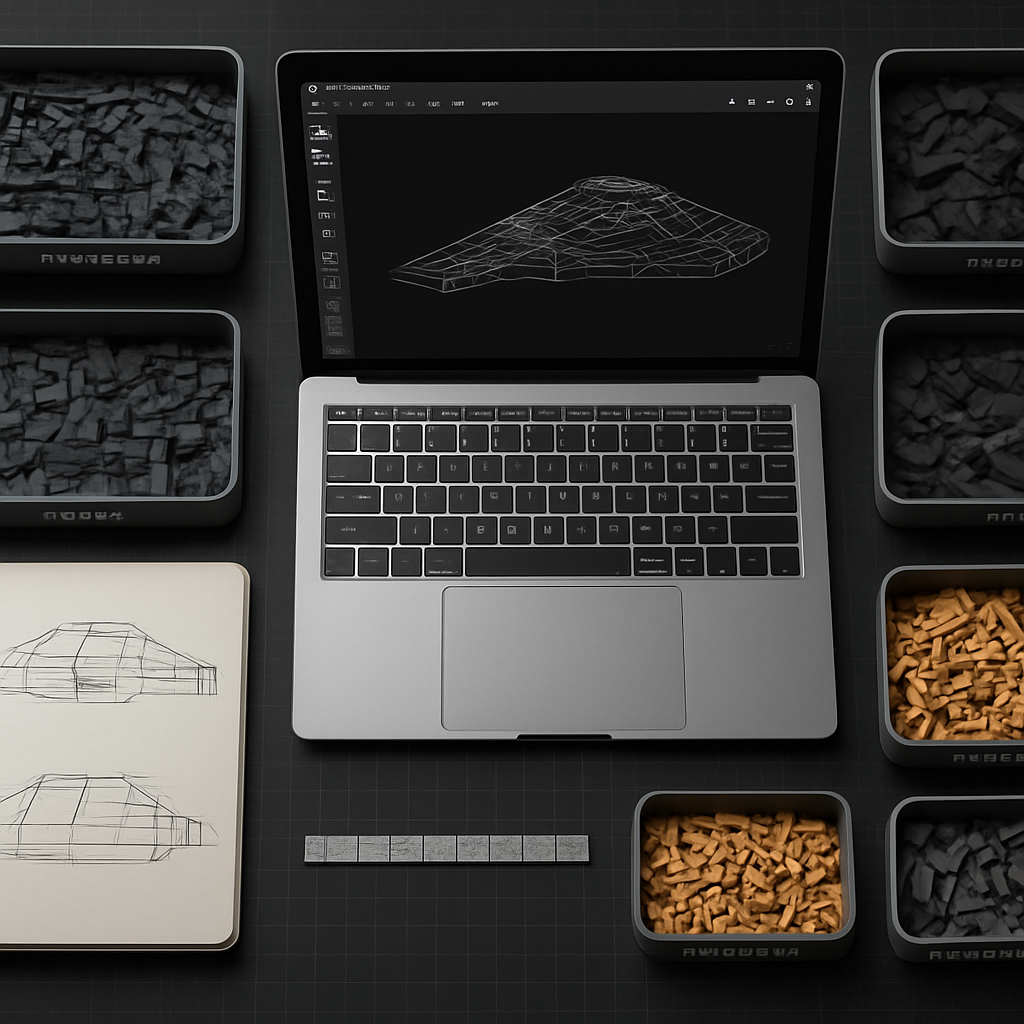
Core Parts Library — Stock These First
- ✓1×1, 1×2, 1×4 bricks and plates
- ✓2×4 bricks for structural cores
- ✓Slopes and inverted slopes for curves and roofs
- ✓Plates and tiles for smooth surfaces
- ✓Brackets and clips for sideways building (SNOT)
- ✓Technic pins, beams, and axles for moving parts
Morebybourn bricks are engineered to standard ABS specifications with consistent clutch and color across orders. Browse parts and sets at Morebybourn.
Step 3: Plan Before You Build
Skipping the plan is the most common mistake. Twenty minutes of planning saves hours of rework.
Sketch the Concept
Draw your model from the front, side, and top. Rough boxes and lines are enough to lock in proportions and identify problem areas early.
Estimate Scale
Choose minifig scale (1:40), miniland scale, or microscale — and stick to it. Mixing scales in one model looks off.
Use Free Digital Tools
Studio by BrickLink lets you build virtually before touching a single brick. It includes a parts catalog, auto instruction generation, and a price estimator.
Step 4: Build for Strength and Stability
A beautiful model that collapses is a failed model. Structure comes first.
| Technique | What It Does | When to Use |
|---|---|---|
| Lock Layers (Staggered Joints) | Distributes stress across the build, prevents vertical cracking | Every wall and flat surface |
| SNOT (Studs Not On Top) | Enables smooth surfaces, hidden connections, complex curves | Curved sections, smooth facades, sideways detail |
| Internal Cross-Bracing | Keeps hollow structures rigid under lateral pressure | Towers, walls, large display models |
| Progressive Test Builds | Finds weak joints before they fail with a full build on top | Every 10–15 layers of height |
Step 5: Add Detail and Finish
Detail turns a generic model into a standout piece. Three techniques make the biggest difference:
Texture and Greebling
Add small, irregular surface details — panels, pipes, and clutter — to suggest mechanical complexity. A few well-placed tiles change everything.
Color Blocking
Use color deliberately. Limit your palette for a clean look. Accent colors draw the eye to focal points. Random color choices read as amateur.
LED Lighting Kits
LED kits add drama and depth for display models. Plan wiring paths during the design stage. A lit model on a shelf changes the entire feel of a room.
STEM and Family Building: A Practical Angle
Brick building is one of the most effective hands-on STEM tools available. It teaches without feeling like a lesson. For older kids and educators, programmable robotics sets combine building with coding. If you want a flexible lego spike alternative for STEM education, look for compatible kits with motors, sensors, and an open programming environment.
Skills Kids Develop
- ✓Spatial reasoning — reading instructions, visualizing 3D shapes
- ✓Engineering basics — load, balance, and structural support
- ✓Math — counting, fractions, symmetry, and measurement
- ✓Problem-solving — diagnosing why a build fails and fixing it
Build Challenges for Home or Classroom
- ►Bridge challenge — span a gap and test weight capacity
- ►Tower challenge — tallest stable structure with a set brick count
- ►Earthquake test — build on a tray, shake it, redesign for stability
Explore Morebybourn's building options — including programmable robotics kits — at morebybourn.com.
Step 6: Document and Share Your Build
The building community is one of the best reasons to get into the hobby. Sharing your work invites feedback, inspiration, and connection.
Photograph Your Model
Use natural light or a simple lamp. Shoot against a plain background. Capture multiple angles plus one detail close-up. Use a tripod.
Join the Community
Post on Reddit, Instagram, Flickr, and brick forums. Tag your scale and theme. Engage with other builders — feedback improves your next project fast.
Save Your Instructions
If you used a digital tool, export your build steps. Reusable instructions let you rebuild later, share with friends, or refine the design.
5 Common Mistakes to Avoid
Building without a plan
Sketch from three angles and use a digital tool before touching bricks.
Ignoring structure for looks
Beauty without stability fails. Build the frame first, details last.
Mixing scales in one model
Pick one scale and commit. Mixed scales break visual logic.
Stacking seams vertically
Stagger every layer like real masonry to prevent vertical cracking.
Using low-quality bricks
Poor clutch power undermines structure, color, and longevity. Source from reputable suppliers.
Ready to Start Your Best Alternative Build?
Morebybourn provides compatible, high-quality bricks and sets built for open-ended creative building. Quality parts, consistent fit, and a wide selection give you the foundation to build anything you imagine.
Frequently Asked Questions
Are LEGO alternative bricks compatible with official LEGO sets?▼
Most quality alternative bricks are built to the same standard ABS specifications and dimensions, so they connect and mix with official pieces. The key is clutch power and molding tolerance. Bricks that meet standard specs will integrate into your existing collection without issue.
What makes a brick set good for STEM education?▼
Look for part variety, durable build quality, and open-ended design potential. Sets with Technic pieces, gears, motors, and sensors teach engineering and physics directly. A flexible, programmable kit used as a lego spike alternative can deliver the same coding and robotics lessons, often at a lower cost and with more room to expand.
How do I start designing my own original model?▼
Begin with a clear goal and a rough sketch from three angles. Pick a single scale and commit to it. Use a free tool like Studio by BrickLink to plan virtually, fix errors on screen, then build the final version. Start with a small project to learn the process before attempting anything large.
How can I make sure my build won't fall apart?▼
Structure is everything. Stagger your bricks so seams never stack directly on top of each other. Use SNOT techniques and brackets to lock sections together from multiple directions. Reinforce tall structures with internal bracing, and test the model by lifting and tilting it as you build. Quality bricks with strong clutch power hold all of this together.
Where can I find high-quality alternative bricks for MOC builds?▼
Morebybourn supplies fully compatible bricks engineered to standard ABS specifications with consistent clutch power and color across orders. Browse parts and sets at morebybourn.com for a wide selection built specifically for open-ended creative building.
Related Articles
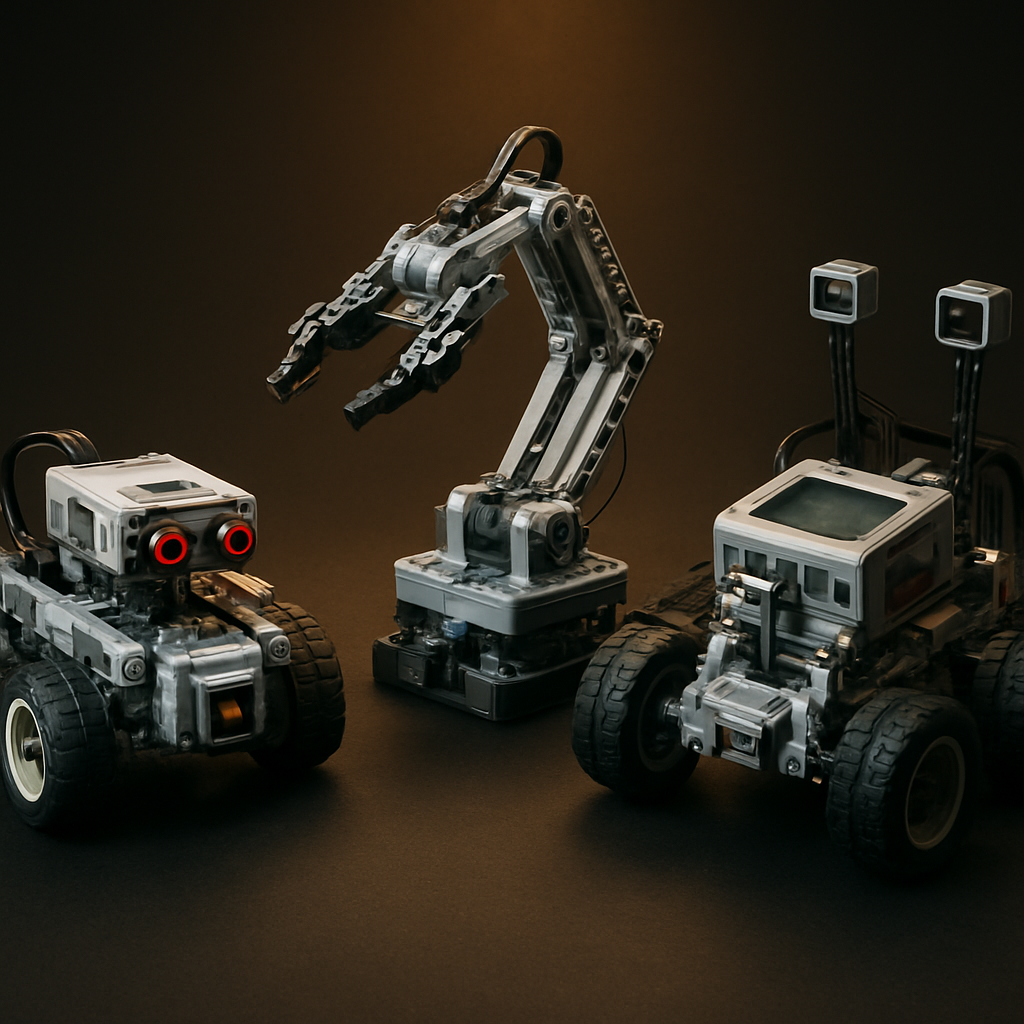
How to Choose a LEGO Mindstorms Alternative: A STEM Robotics Buyer's Guide
7-step guide — controller evaluation, brick compatibility, software matching, educational value, safety standards, and an 8-point checklist for the best LEGO Mindstorms alternative.

How to Build with LEGO Alternatives: A Complete Guide to Designing, Planning, and Creating Better
5-step guide — quality brick selection, free digital designer tools, MOC creativity, value buying, and building for family or display.
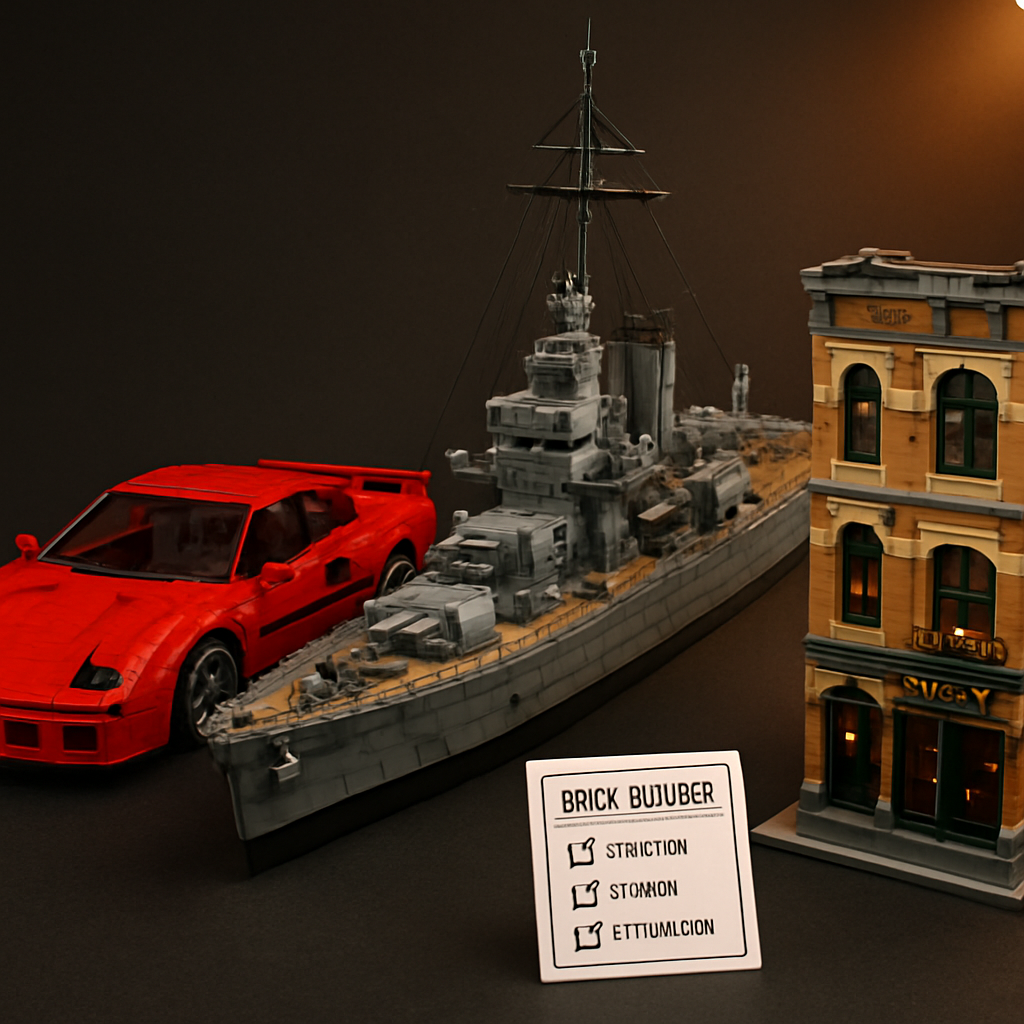
How to Choose LEGO Alternative Brands for Better Builds, Better Value, and Better Fit
10-step guide — compatibility, brick quality, instruction clarity, the 5-Fit Method, and a brand comparison checklist for US and European buyers.