Medieval Building Blocks Guide: How to Choose, Plan, and Build Better Display Models
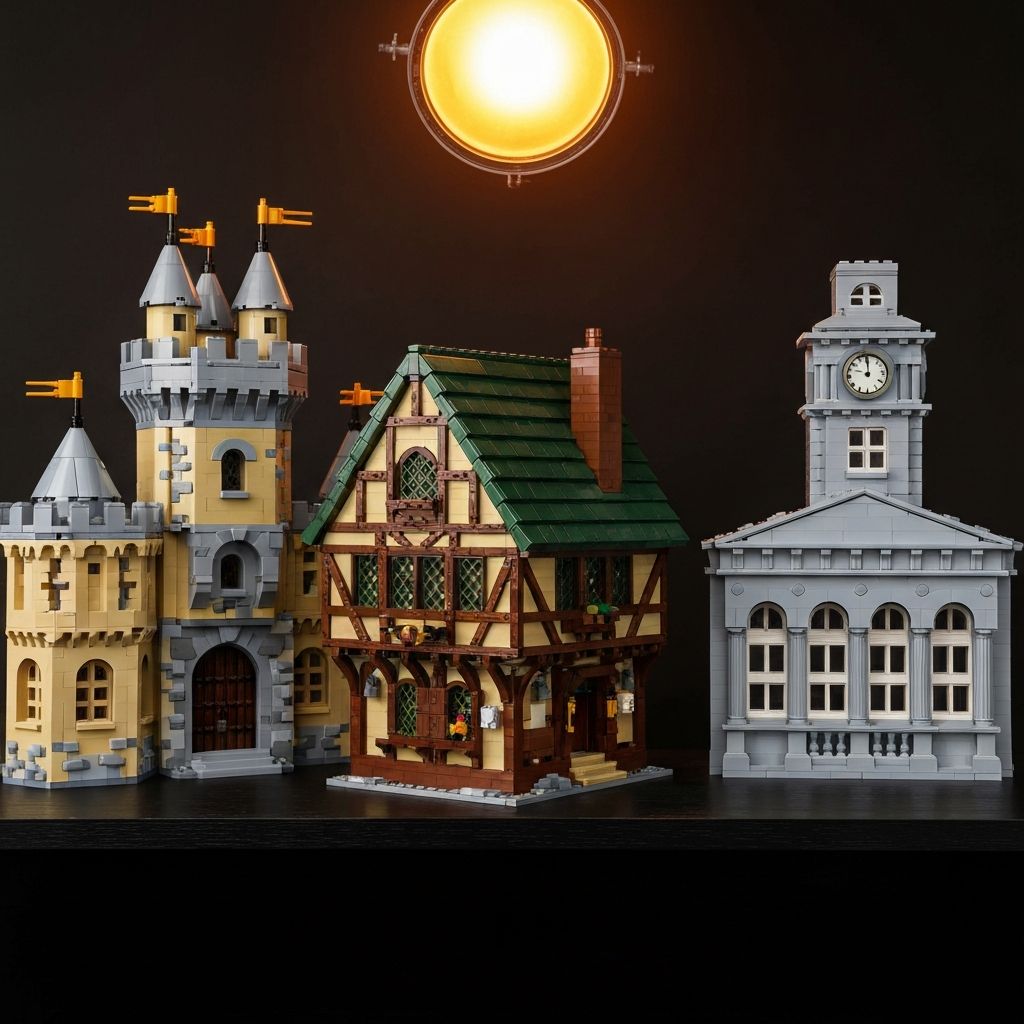
Medieval themes keep selling for a reason. Towers. Gates. Inns. Market streets. Stone walls. Banner colors. Strong shelf presence. Long build time. Good replay value for custom layouts.
But not every castle-style set is worth your time. Some look good in photos and feel weak in hand. Some have the right theme but poor part balance. Some work for display but not for expansion.
This guide covers how to choose the right medieval building blocks, how to compare a landmark-style project like a Stuttgart main station model, and how to get more value from modern brick sets for adults without wasting money, space, or build time.
For current releases and compatible model options, browse the Morebybourn collection.
Why Medieval Sets Still Work for Adult Builders
Medieval models hit a sweet spot. They give you layered architecture, clear sections to build in stages, a mix of symmetry and texture, natural display detail, and easy expansion into larger scenes.
For many hobbyists, medieval building blocks are less about one finished model and more about a growing world. You can start with a gatehouse, then add a blacksmith, then walls, then a tavern, then a full town square.
Long evening builds
Dense sections, varied subassemblies, no rush
Modular scenes
Gatehouse to market to full village — expands naturally
Custom villages
Mix sets into a larger historical display layout
History-inspired layouts
Strong visual identity for dedicated shelf displays
Role-play display setups
Characters and scenes encourage interior design
Good replay value
Parts reuse into new configurations after first build
Step 1: Define Your Build Goal Before You Buy
Buy for the build goal, not just the box art. Before you choose any set, decide what kind of result you want.
A — Single Shelf Display
Best for: Collectors, apartment living, gift buyers, first-time adult builders
Look for: Clean footprint, strong color contrast, stable base, low need for later expansion
B — Modular Scene Expansion
Best for: Custom builders, collectors with display room, repeat buyers
Look for: Open side connections, standard base dimensions, neutral stone and wood colors
C — Landmark Build With Architectural Focus
Best for: Architecture fans, advanced display collectors, precision builders
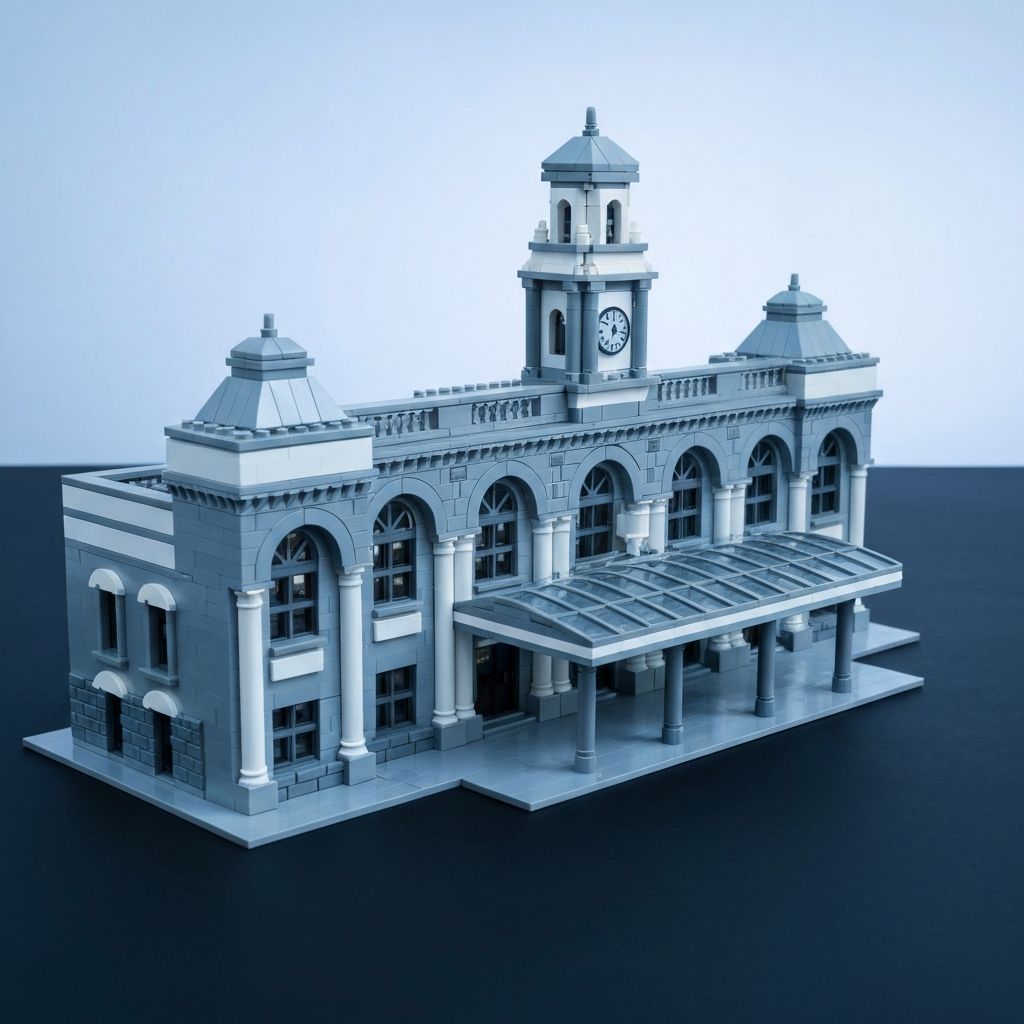
Look for: Façade detail, structural symmetry, color blocking. A Stuttgart main station model is a useful benchmark here.
D — Relaxation Build
Best for: Stress relief, weekend projects, adults returning to bricks
Look for: Medium part count, clear instructions, repeated subassemblies, minimal fragile sections
Step 2: Learn the Difference Between Theme Appeal and Build Quality
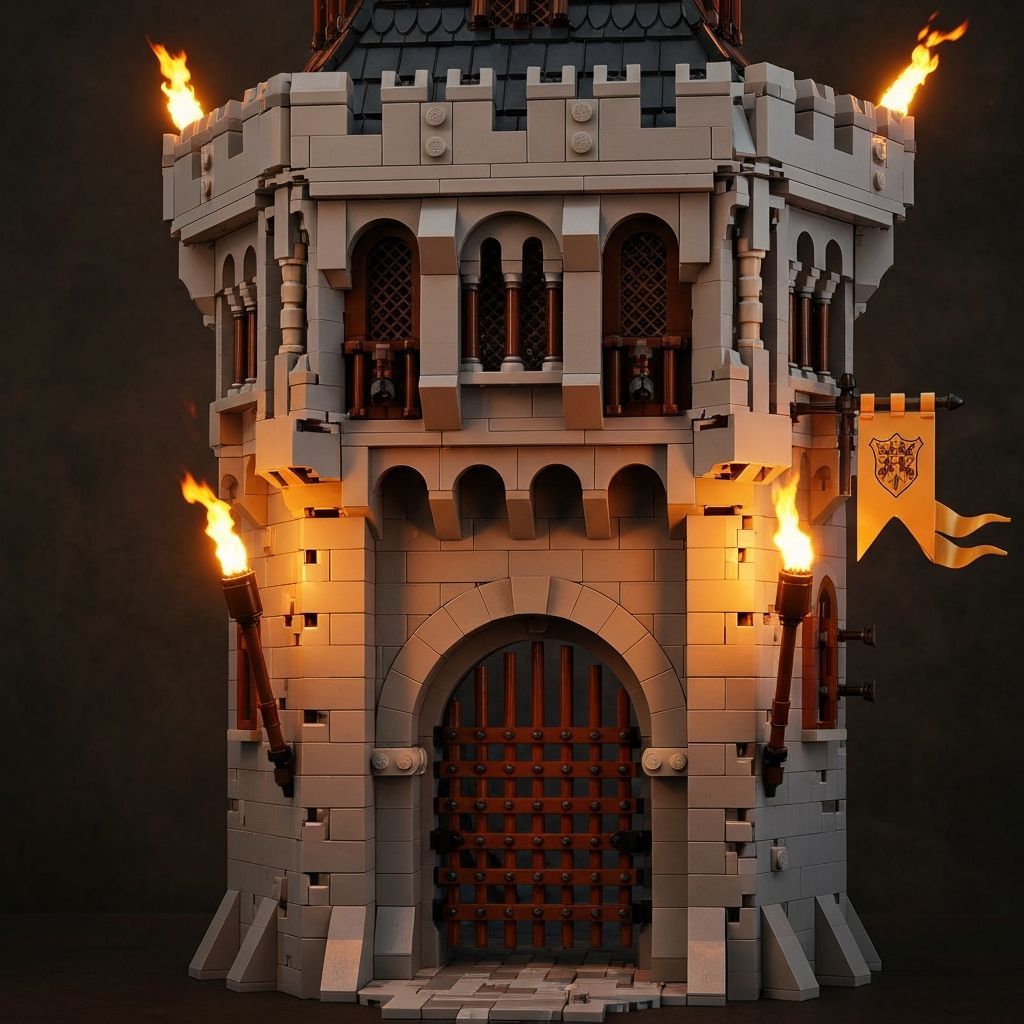
A strong theme can hide weak engineering. That happens often in the historical category. Stone textures and printed shields can distract from basic issues like loose walls, repetitive interiors, or poor roof support.
When comparing medieval building blocks, separate the visual theme from the actual build quality. Check these five areas.
Structural Logic
Does the wall system lock properly? Are tower sections reinforced? Do floors connect tightly? Is the roof easy to remove and replace? Good display models need hidden strength.
Part Variety
Too many tinyer parts can make a set feel inflated. Better signs: arches, slopes, windows, tiles, clips, decorative accessories, and useful neutral bricks.
Surface Texture
Medieval builds should not look flat. Look for uneven roof lines, layered stonework, timber-frame contrast, mixed window depth, and small decorative offsets.
Interior Value
Not every set needs a full interior. But empty shells feel cheap fast. Look for furniture, storage details, stairs, tools, hearths, and workshop corners.
Display Readability
A good model should still look good from a few feet away. That means clear silhouette, strong roofline, visible entrance, balanced height, and good color separation.
Step 3: Pick the Right Size for Your Space
Many adult buyers underestimate finished size. That is a problem with both medieval building blocks and large landmark kits. Castles spread wide. Stations run long. Village scenes multiply fast.
Before you buy, measure shelf width, shelf depth, vertical clearance, nearby lighting, and dust exposure.
Small display builds
Ideal for gifts, easier to finish, lower risk. Good first purchase.
Mid-size builds
Best for most buyers. Enough detail for adult interest. Easier to move.
Large collector builds
Dedicated shelves, strongest visual impact, longer build time, higher sorting demand.
Step 4: Match Complexity to Your Real Skill Level
Adult does not always mean expert. Some brick sets for adults are made for experienced hobbyists. Others are simply mature in theme but still easy to build. Use this simple filter.
| Level | Best for | Signs |
|---|---|---|
| Beginner-Adult | Returning builders, gift recipients, casual hobbyists | Under 1,000 pieces, clear color separation, stable base, fewer tiny decorations |
| Intermediate | Regular builders, collectors, family team builds | 1,000 to 2,000 pieces, repeated modules, removable roof or floors |
| Advanced | Serious hobbyists, display-focused collectors, custom builders | Dense subassemblies, interior and exterior detail, complex roof or tower geometry |
Step 5: Evaluate Compatibility Before You Commit
If you already own a collection, do not assume every set will blend equally well. Check compatibility with your existing parts: standard bricks, plates, tiles, clips and bars, hinges, and arches. This is especially important if your goal is expansion.
Good medieval building blocks should let you extend walls, add custom roofs, enlarge courtyards, combine market scenes, and swap accessories across builds. For more compatible set ideas, visit the Morebybourn store.
Step 6: Build Smarter From the Start
A better process makes a better model. Open box. Sort first. Build second.
Sort by Function, Not Only Color
For medieval building blocks, sort wood-look parts, stone-tone parts, and roof pieces early. Best categories: structural bricks, plates, slopes, tiles, windows, decorative accessories, roof parts. It speeds up the build and helps you spot missing elements before the model is half done.
Step 7: Improve Stability During the Build
Some display models look better than they hold. That is common with towers, market stalls, bridges, and long station fronts.
Do
- +Press from the center, not from edges
- +Reinforce weak spans before decoration
- +Lift large sections from the base, not the top
- +Test roof seating before final detailing
- +Keep repeated modules aligned as you go
Don't
- -Rush tower or gate arch assembly
- -Skip reinforcement on long walls
- -Add heavy decorations before locking floors
- -Ignore roof seat before building upper stories
- -Mix tight and loose batches in the same structural section
Step 8: Add Real Value With Small Custom Changes
You do not need full MOC skills to improve a set. Simple upgrades can make a standard build feel personal.
Medieval Upgrades
- Add moss or plant accents
- Change banner colors
- Widen a gate or extend walls
- Build a small stable or cart
- Add crates or barrels to interior
Architecture Upgrades
- Add a display base border
- Add track-side or street-side detailing
- Add lamp posts and signage
- Tile platform or pavement edges
- Strengthen entrance framing
Display Upgrades
- Black display stand for contrast
- Clear acrylic dust cover
- Name plaque or identifier tag
- Warm shelf lighting
- Dust-control spacing between models
Step 9: Buy With Long-Term Use in Mind
A smart purchase is not just "good today." It should still be useful after the first build. That is one reason medieval building blocks stay popular — their parts are reusable. Stone walls become towers. Roof pieces become inns. Brown and dark tan pieces work across many historical and fantasy builds.
Ask These Before You Checkout
- 1Can I rebuild it later into something else?
- 2Are the colors useful for custom work?
- 3Do the parts work with my current collection?
- 4Will it still display well if I change shelves?
- 5Can I combine it with future releases?
Step 10: Avoid the Most Common Buyer Mistakes
Buying only by piece count
More pieces do not always mean more substance.
Ignoring the finished footprint
Large sets need real display planning before checkout.
Choosing a set that is too advanced
A frustrating build often ends unfinished on a shelf.
Forgetting compatibility goals
If you plan to expand, test standards matter before you buy.
Overvaluing box art
Look at structure, not just styling.
Skipping interior details
For historical builds, interior life adds half the charm.
How to Choose Between Medieval and Landmark Architecture
Some buyers sit between two styles. They want history, but also structure. Atmosphere, but also realism. Both medieval building blocks and a Stuttgart main station model offer architecture. Both reward patience. Both display well. The difference is mood.
Choose Medieval If You Want:
- Warmer color palettes
- Village expansion over time
- Fantasy crossover potential
- Scene storytelling
- Easier visual customization
Choose Station or Civic Landmark If You Want:
- Cleaner lines and formal symmetry
- Real-world architecture reference
- Urban display themes
- Recognizable regional identity
- Precision assembly focus
Final Build Strategy for EU and US Buyers
If you are buying in Europe or America, keep these final points in mind: check full dimensions before purchase, calculate shipping and tax clearly, review return and missing-part support, and choose sets that fit your shelf, not just your wishlist.
The goal is not just to finish a set. The goal is to own a model you still like after the build is over. That is where good medieval building blocks stand out — and where carefully chosen brick sets for adults earn their shelf space: not by being bigger, but by being better suited to how you actually build.
Build type
Display
Best outcome
Stable model. Strong detail. Reusable parts.
Buying rule
Theme first. Structure second. Hype last.
Ready to Order?
Browse adult display sets on Morebybourn or order directly via WhatsApp for fast support and shipping advice.
Order via WhatsAppFAQs
Are medieval building blocks good for beginners?▾
Yes, if you choose the right size. Smaller castles, towers, and inns are often easier entry points than full fortress layouts. Start with a model that has a stable base and clear roof sections.
Is a Stuttgart main station model better for display than a castle set?▾
It depends on your style. A Stuttgart main station model usually gives you cleaner lines and architectural symmetry. Castle builds offer more texture, scene storytelling, and expansion options.
What should I look for in brick sets for adults?▾
Focus on build quality, display size, instruction clarity, part variety, and long-term value. The best brick sets for adults feel good to build and still look strong on display months later.
Can I mix medieval building blocks with other LEGO-compatible parts?▾
In most cases, yes. Test standard bricks, plates, tiles, and arches first. Medieval themes are especially easy to expand because walls, roofs, and accessories can be customized in many ways.
How do I make a medieval set look more realistic?▾
Add small details. Use plants, crates, lanterns, banners, uneven stone textures, and raised terrain. Even basic medieval building blocks can look far better with a few custom touches.