How to Choose the Best LEGO Alternative Brands for Kids and Collectors
Better builds, better value, more choice. Choosing the best LEGO alternative brands is not just about finding a cheaper set — it is about matching the right bricks, themes, difficulty level, safety standard, and display value to the person who will build it.
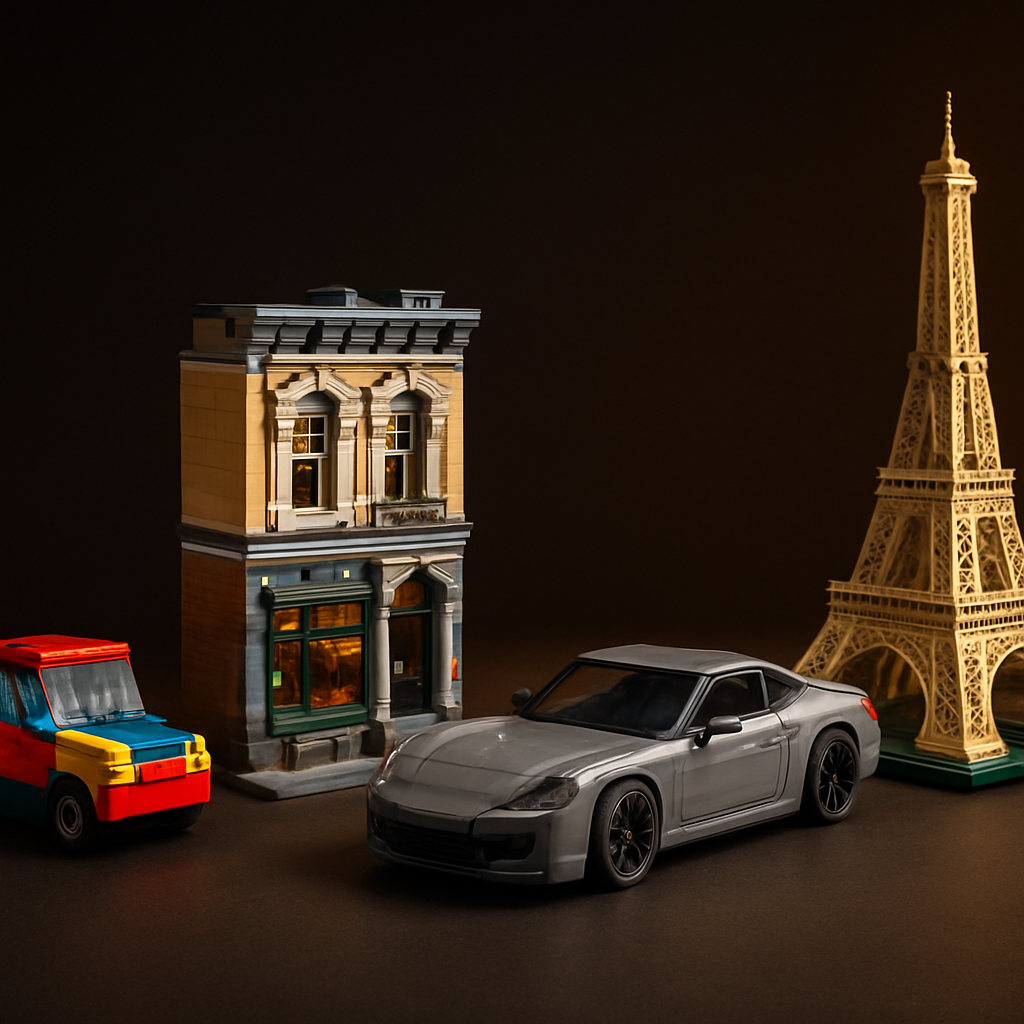
Why Buyers Look for an Alternative to LEGO
Price matters. Choice matters. Theme variety matters. Many shoppers in the US and Europe now compare brands before buying. LEGO remains the best-known name, but it is no longer the only serious option. More building block brands now offer large models, lighting features, display builds, STEM-focused kits, and niche themes.
The main reasons are simple: lower cost, fresh designs, different building styles, larger piece counts, and better access to models not available from major toy brands.
Families
Affordable building activity — one large set becomes a weekend project, holiday gift, or screen-free STEM session.
Adults
Complex models, display pieces, relaxation, and collection value beyond what mainstream brands offer.
Collectors
Sets that fill gaps: classic cars, military vehicles, architecture, fantasy builds, flowers, mechanical designs.
Creators
Parts diversity and compatibility to build original designs without starting from zero every time.
Step 1: Define the Builder First
Start with the builder. Then choose the brand. The best LEGO alternative brands for a 6-year-old are not always right for an adult collector.
Young Kids: Safety, Size, Simplicity
Clear instructions, durable bricks, low frustration, playable finished model, parent-friendly sorting. Avoid very small detail-heavy models.
Teens: Challenge, Style, Customization
Mechanical features, modular sections, lighting options, or display value. Cars, architecture, sci-fi ships, and technical models work well.
Adults: Detail, Build Time, Display Quality
Structure, precision, and finish. Layered construction, stable display bases, advanced techniques, and premium color choices.
Collectors: Rarity, Theme, Shelf Impact
Scale accuracy, unusual subject matter, clean proportions, exclusive themes, and strong visual presence. Packaging and support also matter.
Step 2: Check Brick Quality Before Price
Low price means little if the bricks fail. Brick quality is the first serious test when choosing the best LEGO alternative brands. Good bricks connect firmly but do not require force. They separate cleanly, keep shape after repeated assembly, and have consistent colors with smooth edges.
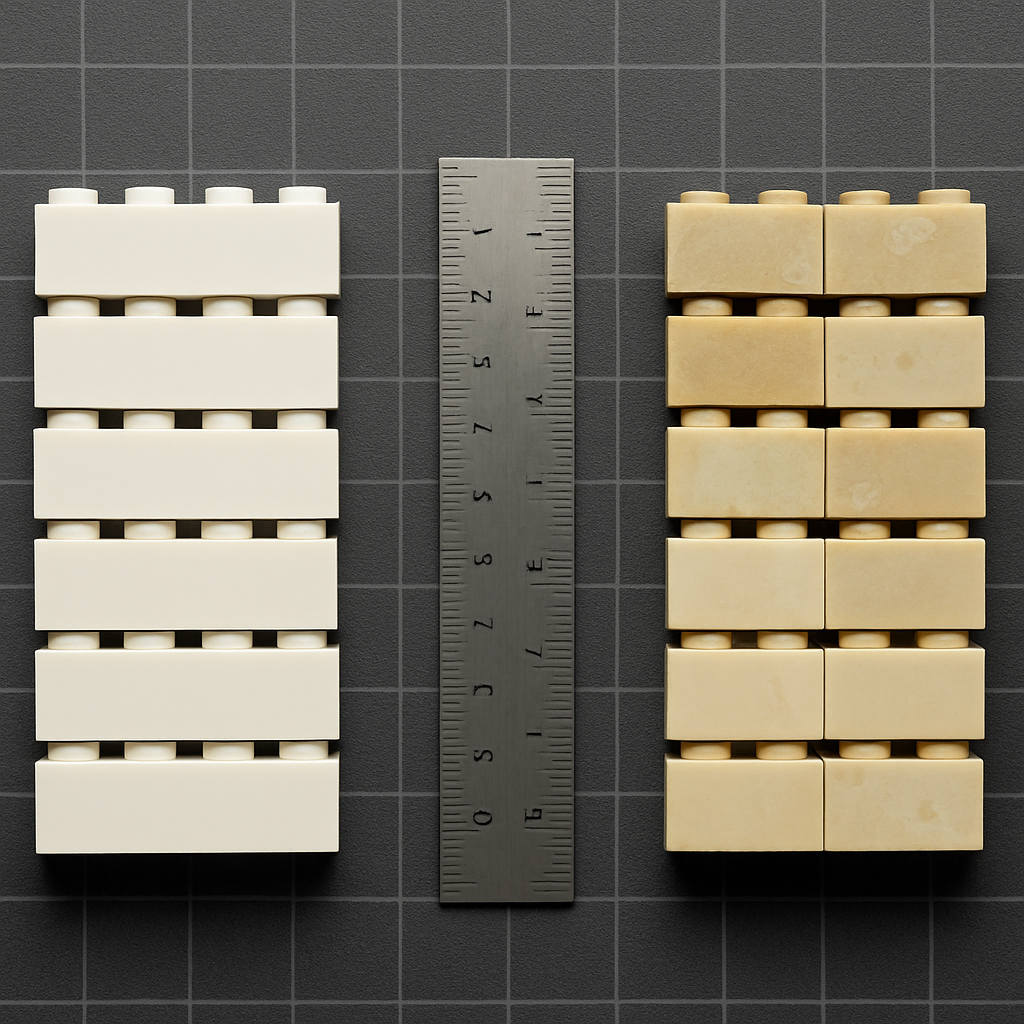
| Quality Factor | Good Sign | Warning Sign |
|---|---|---|
| Clutch Power | Secure but adjustable, no stress marks | Too loose (model falls) or too tight (painful) |
| Plastic Finish | Smooth, clean edges, solid studs | Oily feel, sharp flashing, brittle texture |
| Color Consistency | Uniform tone across all same-color parts | Multiple shades of the same color in one model |
| Molding Accuracy | Sharp corners, flat plates, centered holes | Warped plates, off-center studs, rough underside |
Step 3: Confirm Compatibility
Compatibility protects your collection. Many shoppers want sets that work with existing brick systems — families with mixed brick bins, creators who design custom builds, and collectors who modify display models.
What to check in product descriptions:
- ✓"Compatible bricks" or "standard-size bricks" — usually fits major systems
- ✓"Mini blocks" — smaller format, typically not compatible with standard bricks
- ✓"Micro blocks" — display-only, different sizing entirely
- ✓Customer reviews mentioning mixed-brand use or clutch quality
- ✓Brand FAQs explicitly stating compatibility status
Step 4: Match the Theme to the Use Case
Theme drives satisfaction. The right theme keeps the builder engaged from the first bag to the final display. The best LEGO alternative brands often stand out because they offer themes outside the mainstream.
Family Builds
Animals, city buildings, holiday scenes, flowers, vehicles, simple machines
STEM learning, teamwork, patience, screen-free time
Adult Relaxation
Architecture, botanical sets, vehicles, display models with repeating patterns
Hands-on focus, structured progress, creative decompression
Display
Smooth tiles, correct proportions, stable base, strong color design
Check dimensions — shelf space is real, measure first
Custom Creators
Brackets, hinges, slopes, tiles, transparent and specialty elements
Parts diversity expands original design options significantly
Step 5: Compare Difficulty Level
Harder is not always better. A good set should match the builder's patience, experience, and available time. Shop by skill level, not only by age.
| Level | Piece Count | Best For | Key Signs |
|---|---|---|---|
| Beginner | 100–600 | Kids, first-time adults, gift buyers | Larger sections, simple steps, sturdy playable model |
| Intermediate | 600–1,500 | Teens, family projects, casual adults | Numbered bags, modular assembly, moderate detail |
| Advanced | 1,500+ | Collectors, experienced builders | Dense instructions, many small parts, display-first design |
Step 6: Study the Instructions
Instructions make or break the build. Good instructions are clear, visual, and properly sequenced. When comparing the best LEGO alternative brands, check whether the brand provides printed instructions, digital instructions, or both.
Good Instructions Include
- ✓Numbered bags matching instruction stages
- ✓Correct colors at every step
- ✓Logical angles and mirrored section callouts
- ✓Clear part callouts per step — not too many at once
- ✓Digital backup available online
Warning Signs
- ⚠Frequent unclear steps or missing pages
- ⚠Poor color printing — wrong colors per step
- ⚠Too many tiny parts added in one step
- ⚠No support for replacement instructions
- ⚠Reviews consistently mention confusion
Step 7: Calculate Price-to-Value
Do not buy by price alone. A cheap set with weak bricks is expensive in practice. A higher-priced set with strong quality, better detail, and more display value can be the better buy.
Price Per Piece
Useful starting point. A 2,000-piece set with filler parts may not beat a 1,200-piece set with large panels and printed parts.
Build Time
6–10 hours of focused building adds real value for adults and families. Longer build time often means better purchase satisfaction.
Display or Play Value
Ask what happens after the final step. Shelf display, city layout, custom builds — continued use multiplies the value.
For a practical starting point, browse creative building block sets at Morebybourn and compare themes, sizes, and build styles before choosing.
Step 8: Check Safety and Age Suitability
Safety first. For children, choose age-appropriate sets from reputable sellers. A safe alternative to LEGO should use ABS plastic, smooth edges, clear age labels, and reliable packaging.
| Age Group | Typical Range | Key Needs |
|---|---|---|
| Young Children | Ages 5–7 | Simple builds, larger parts, smooth edges, no small choking hazards |
| Older Kids | Ages 8–12 | More parts, moving features, moderate complexity |
| Teens & Adults | Ages 14+ | Display-level detail, smaller elements, more patience required |
Step 9: Look at Collector Appeal
Collectors buy differently. A collector does not only ask, "Is it fun?" The better question is, "Is it worth keeping?" A strong alternative LEGO collector set offers detail, scale, shelf presence, and a theme that feels distinct.
Scale and Proportion
A car should look balanced. A building should have clean lines. A ship should hold its shape. Proportions matter more than piece count.
Display Stability
Check reviews for weak joints, loose panels, or fragile display sections. If the model is display-only, the structure must be secure.
Limited Themes
Alternative brands often cover niches that major brands avoid. This creates stronger shelf identity and better collection variety.
View themed collections at Morebybourn when comparing display models, gift sets, and collector-focused builds.
Step 10: Read Reviews the Right Way
Reviews save money. Do not only check star ratings — read the details. Focus on repeated comments. If many buyers mention strong clutch and clear instructions, that is useful. If many mention missing parts or unclear steps, treat it as a warning.
Useful review signals to track:
Step 11: Check After-Sales Support
Support matters after checkout. Even good sets can have missing or damaged pieces. The difference is how the seller handles it. Before buying a large set, check replacement policies, contact options, shipping terms, and return rules.
Missing Pieces
Keep part numbers and bag numbers ready when contacting service. Look for sellers offering replacement support for large models.
Shipping and Packaging
Large sets need secure packaging. Damaged boxes matter more to collectors. For gifts, confirm delivery timing before ordering.
Return Policy
Understand the return window and condition requirements before purchase. Clear return terms signal a trustworthy seller.
Common Mistakes to Avoid
Better buying starts with fewer mistakes.
Buying Only the Cheapest Set
Lowest price can mean weak bricks, unclear instructions, and poor support. Choose value, not just discount.
Ignoring Compatibility
Not all bricks fit together. Standard bricks, mini blocks, and micro blocks are different systems. Confirm before mixing.
Choosing Too Many Pieces Too Soon
A 3,000-piece model may not be right for a beginner. Start smaller, build confidence first.
Overlooking the Finished Size
Large models need space. Check final dimensions before buying. Shelf depth and display angle matter.
Ignoring the Builder's Interest
A high-quality set in the wrong theme will not get finished. Match the subject to the builder.
Skipping Reviews
Reviews reveal real build conditions: fit, missing parts, instruction clarity, and final strength.
Treating All Alternatives the Same
The best LEGO alternative brands differ by purpose — some are better for kids, some for display, some for technical builds.
How to Choose by Buyer Type
Fast matching. Clear result.
Parents Buying for Kids
Best fit: Age-graded sets, durable bricks, clear instructions, colorful themes
Good themes: Vehicles, animals, city scenes, robots, holiday builds
Avoid: Display-only models, micro blocks, advanced collector sets
Adults Buying for Relaxation
Best fit: Intermediate to advanced sets with steady build flow
Good themes: Architecture, botanical, cars, scenic dioramas
Avoid: Rushed small sets, sticker-heavy builds, random parts packs
Collectors
Best fit: Scale accuracy, niche theme, strong shelf presence
Good themes: Military-inspired, classic cars, ships, landmarks, lighted sets
Avoid: Generic city sets, poor proportions, fragile display joints
Gift Buyers
Best fit: Match builder type first, then choose theme
Good themes: Check wish lists, ask about existing collection, buy from known sellers
Avoid: Guessing theme, buying purely by price, ignoring age labels
Ready to Find Your Next Build?
Browse the full range of building block sets at Morebybourn — verified quality, multiple categories, and support for every builder type. Order via WhatsApp for fast personal assistance.
Order via WhatsAppFrequently Asked Questions
What makes the best LEGO alternative brands stand out?⌄
The best LEGO alternative brands combine strong clutch power, accurate brick molding, clear instructions, fair price-to-value, and reliable after-sales support. They also offer themes not available from major toy brands, giving collectors and builders more variety.
How do I choose an alternative to LEGO for a child?⌄
Choose age-graded sets with durable bricks, smooth edges, clear step-by-step instructions, and themes the child already enjoys. Avoid micro-block or advanced display sets. Look for ABS plastic, numbered bags, and sturdy finished models that can also be played with.
Are alternative LEGO sets compatible with genuine LEGO bricks?⌄
High-quality alternative brands use standard brick sizing that connects cleanly with genuine LEGO. Always confirm compatibility in the product description. Mini blocks and micro blocks use different sizing and are not compatible with standard brick systems.
What difficulty level should I choose for an adult builder?⌄
Intermediate sets (600–1,500 pieces) suit casual adult builders and family projects. Advanced sets (1,500+ pieces) suit experienced collectors and adults who want long focused build sessions. Always match difficulty to available time and patience, not just piece count.
What are the most common mistakes when buying alternative LEGO sets?⌄
The most common mistakes are: buying only by price, ignoring compatibility, choosing too many pieces for a beginner, overlooking the finished model size, ignoring the builder's theme preference, skipping reviews, and assuming all alternative brands offer the same quality.
Related Articles
How to Choose LEGO Alternative Brands for Better Builds, Better Value, and Better Fit
10-step guide — compatibility, brick quality, instructions, the 5-Fit Method, and a brand comparison checklist for US and European buyers.

How to Choose High-Quality LEGO Alternatives for Military Brick Sets (2026 Guide)
12-step buyer's guide — clutch power, plastic quality, instruction clarity, detail accuracy, build engineering, and a 10-point quality checklist.
The Ultimate Guide to LEGO Compatible Motors, Robot Kits & Minecraft Treehouse Sets (2026)
Motor comparison, 5-step robot build, Minecraft treehouse collector guide, and a 55% savings breakdown.